

EN
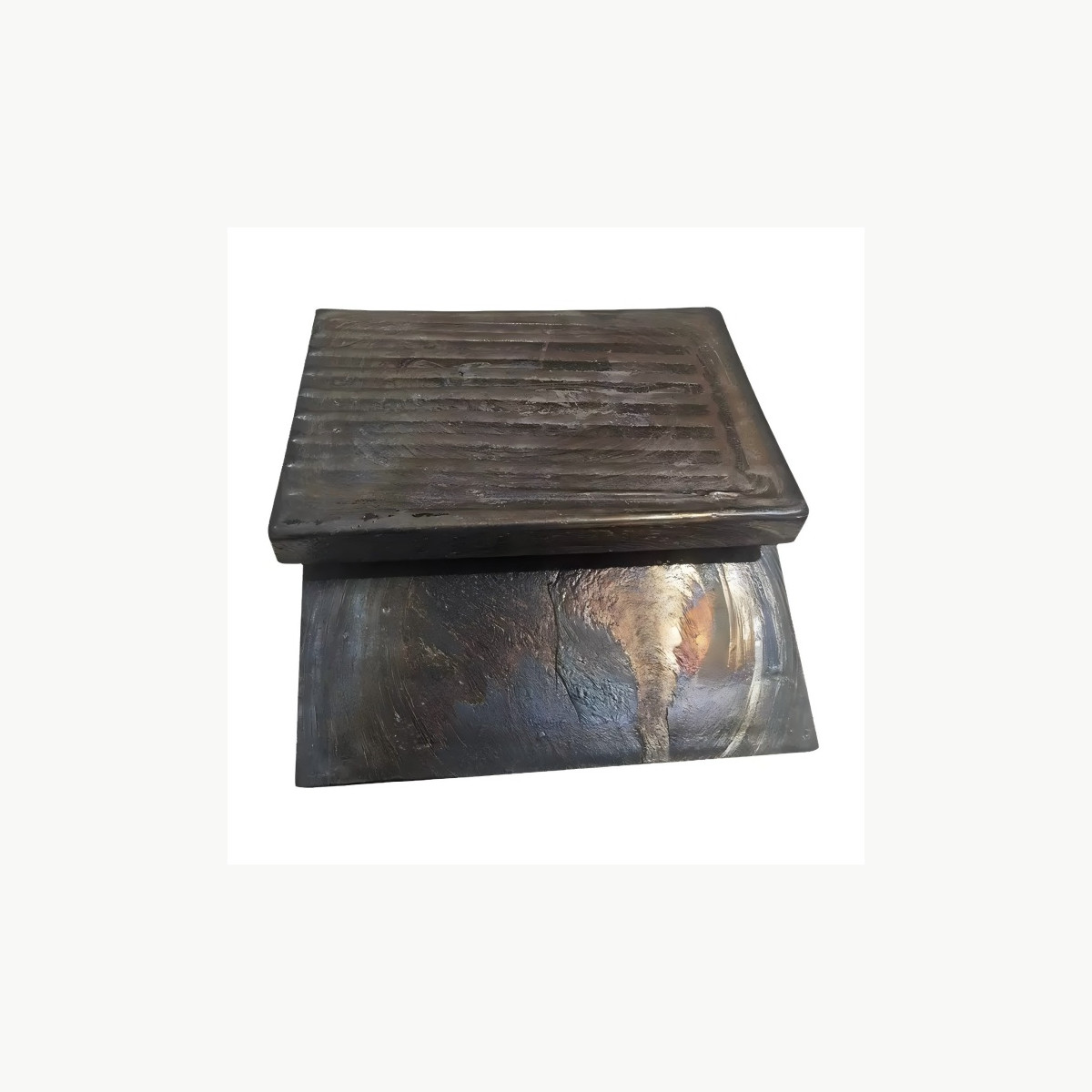
Cast Basalt Tiles product photo

Cast Basalt Tiles

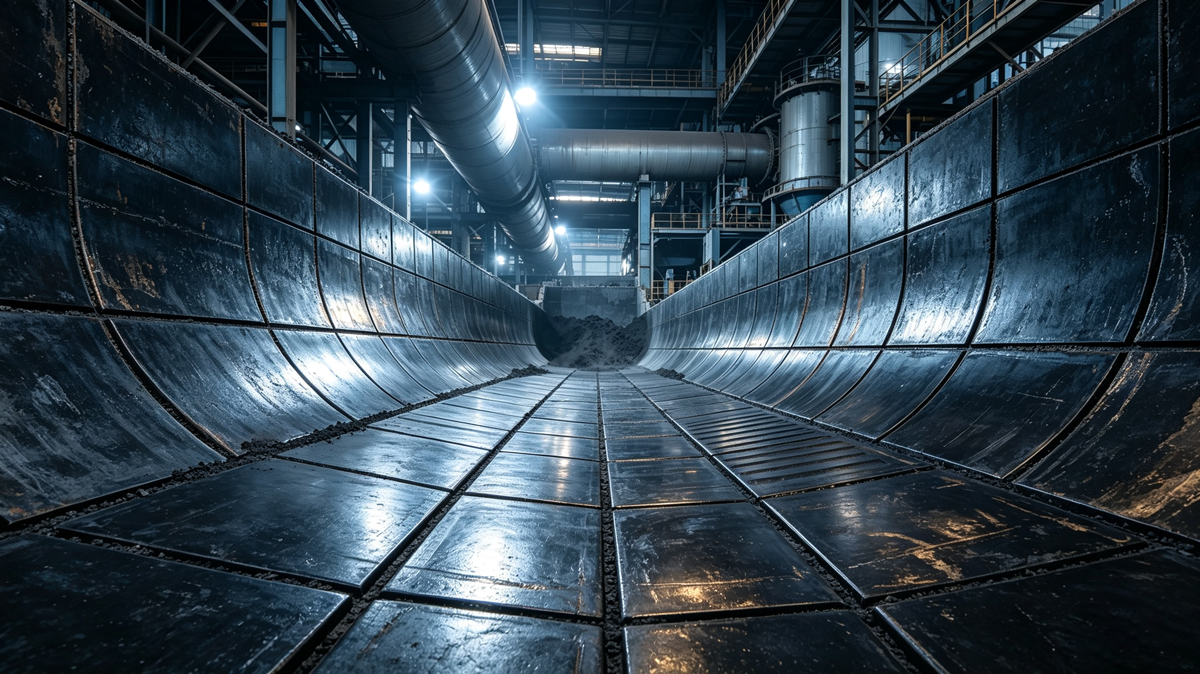
Cast basalt tiles form a wear- and corrosion-resistant lining on chutes, hoppers, bins and selected process surfaces. Plate geometry, substrate condition and the bonding system must be reviewed together for the actual equipment.
  • Excellent wear resistance
  • Corrosion resistance
  • Customized specification selection
Description
Specifications
6
Lining forms and geometry

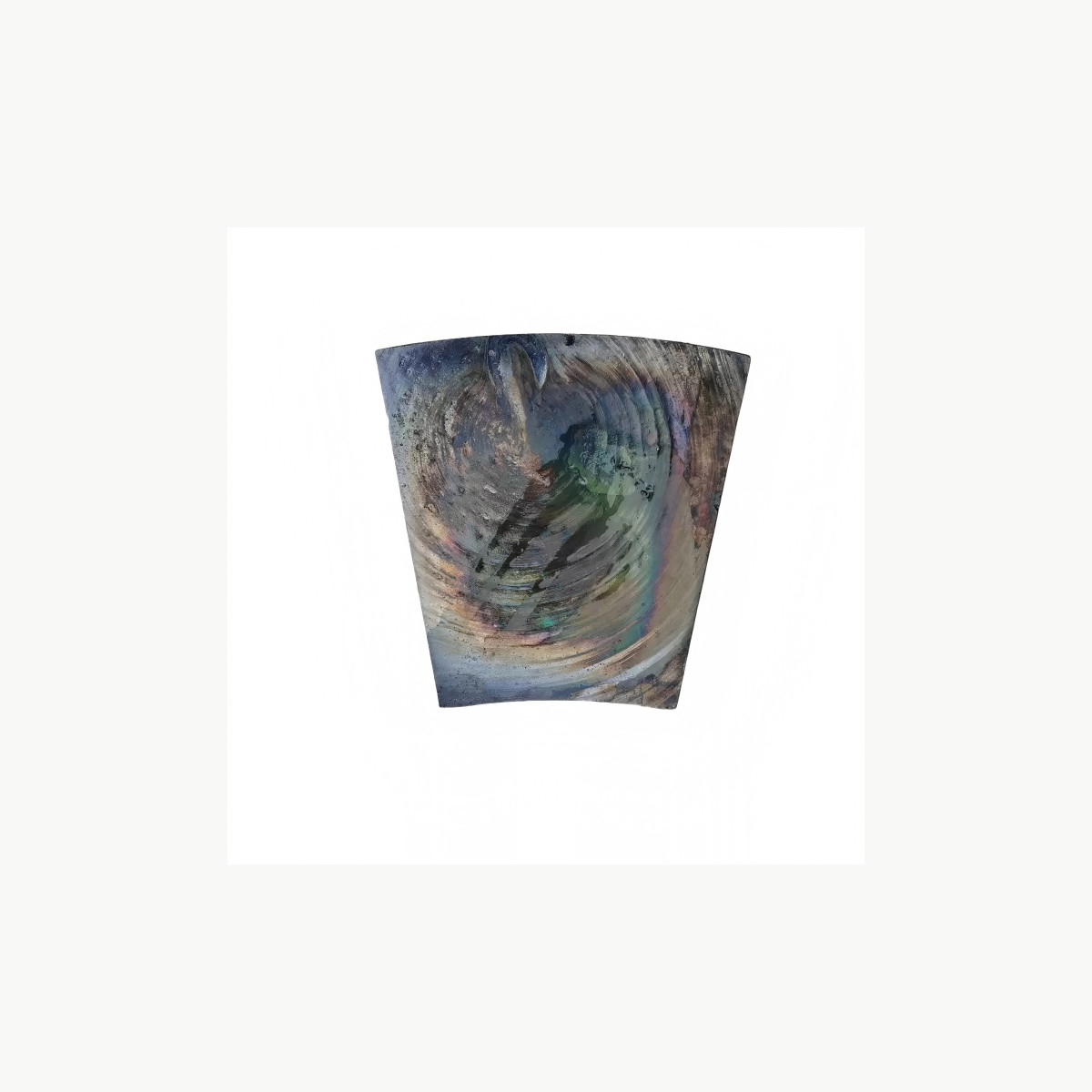
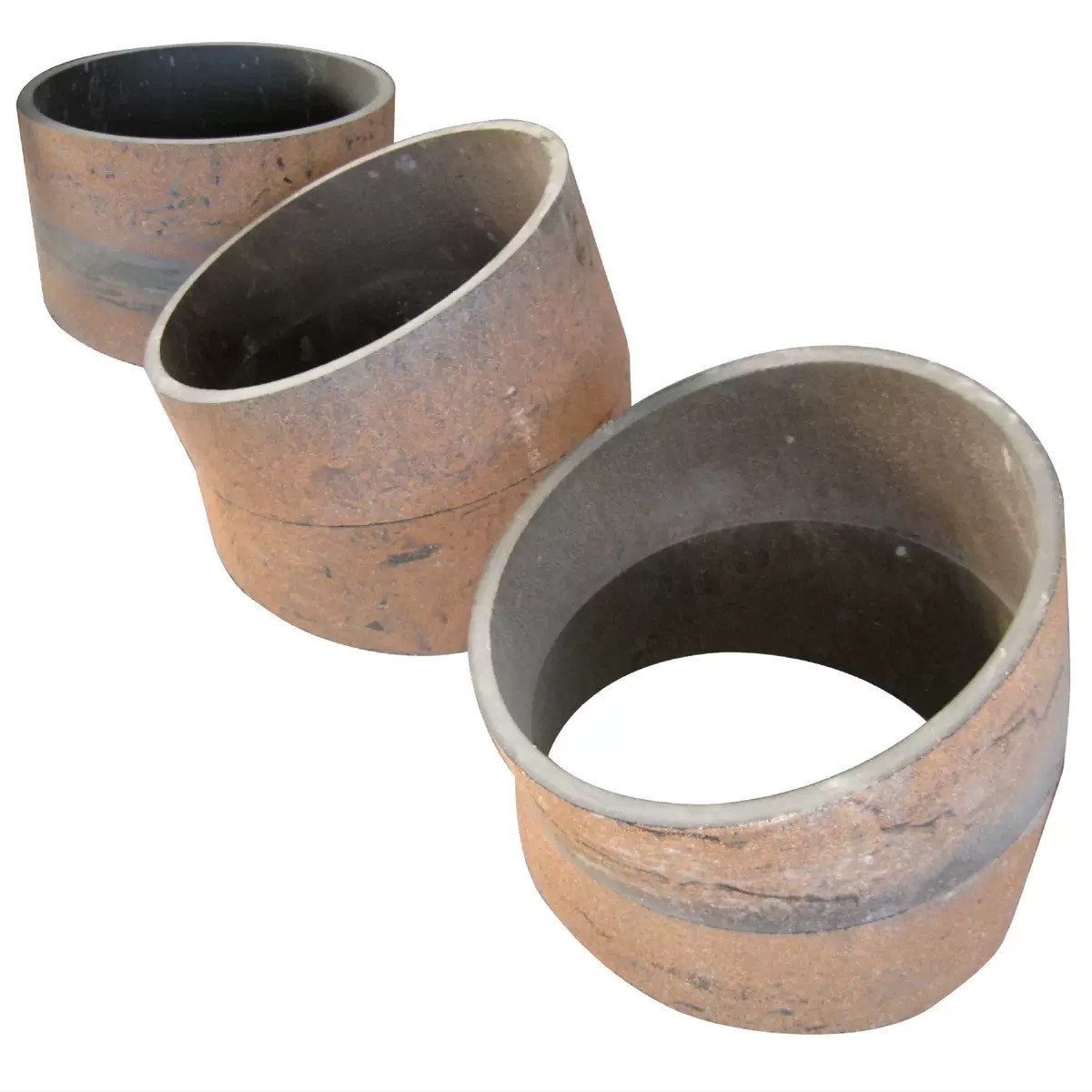
Flat plates suit accessible, relatively regular lining areas. Curved, tapered and other shaped pieces can help follow a hopper wall, pipe section or transition. A layout drawing should identify edges, corners, openings and changes of section before the plate schedule is finalized.

The existing Chitong product range includes rectangular, trapezoidal, arc-shaped, hexagonal and perforated forms. Specify the drawing and required function when requesting a special shape; availability and dimensions are confirmed for each order.

6
Where cast basalt tiles are used

Power-generation applications include coal handling chutes and ash or slag handling surfaces. In coal preparation, typical lining locations include hoppers, silos and transfer chutes. Metallurgical and mineral-processing equipment may use shaped plates in selected bins and material-transfer points.

Chemical-service floors or tank linings require a separate review of the actual chemicals, concentration, temperature, joints and bedding materials. A wear-resistant plate alone does not establish the suitability of the whole lining system.

6
Selection limits and installation planning

Cast basalt is a brittle lining material. Severe direct impact, equipment movement and rapid temperature changes require specific engineering review. Identify the drop height, particle size and impact location instead of selecting only by abrasion resistance.

Supply a dimensioned drawing, lining area, proposed thickness, conveyed material and operating conditions. Confirm surface preparation, bedding, joint treatment and curing requirements with the selected installation-system supplier. Do not return equipment to service before the agreed inspection and cure requirements are met.

Physical-chemical properties of cast basalt

Specific Gravity 3g/cm3
Compression strength 600MPa
Bending Strength ≧60MPa
Impact Strength 1.76MJ/m2
Abrasive Resistance 0.07g/cm2
Diamond Penetrator Hardness ≧720kg/mm2
Modulus of Elasticity (Room Temperature) 1.67×10^5MPa
Expansion Coefficient (Room Temperature to 60°C) 8.92×10^-6
Corrosion Resistance: 95%-98% H2SO4 ≧98%
Corrosion Resistance: 20% H2SO4 ≧94%
Corrosion Resistance: 20% NaOH ≧98%

Chemical component of cast basalt (weight%)

SiO2 43.13~44.12
Al2O3 12.50~13.52
Fe2O3 8.64~9.50
TiO2 2.02~2.62
CaO 9.05~10.22
MgO 8.65~10.47
K2O 1.40~1.75
Na2O 4.62~5.28
FeO 4.82~6.25
P2O5 1.10~1.38

Project specification review

Confirm dimensions, quantity, operating conditions, inspection documents and installation interfaces before ordering. The final supply specification is agreed for the individual project; generic material data do not establish an equipment pressure rating or a guaranteed service life.

Product photograph
gen products deco l
gen products deco r
icon Related News icon

Related News

Cast Basalt in Chemical-Service Linings: A Selection Checklist

Assess chemical exposure, abrasion, temperature and the bedding and joint system when considering cast basalt for floors or process linings.
Read More
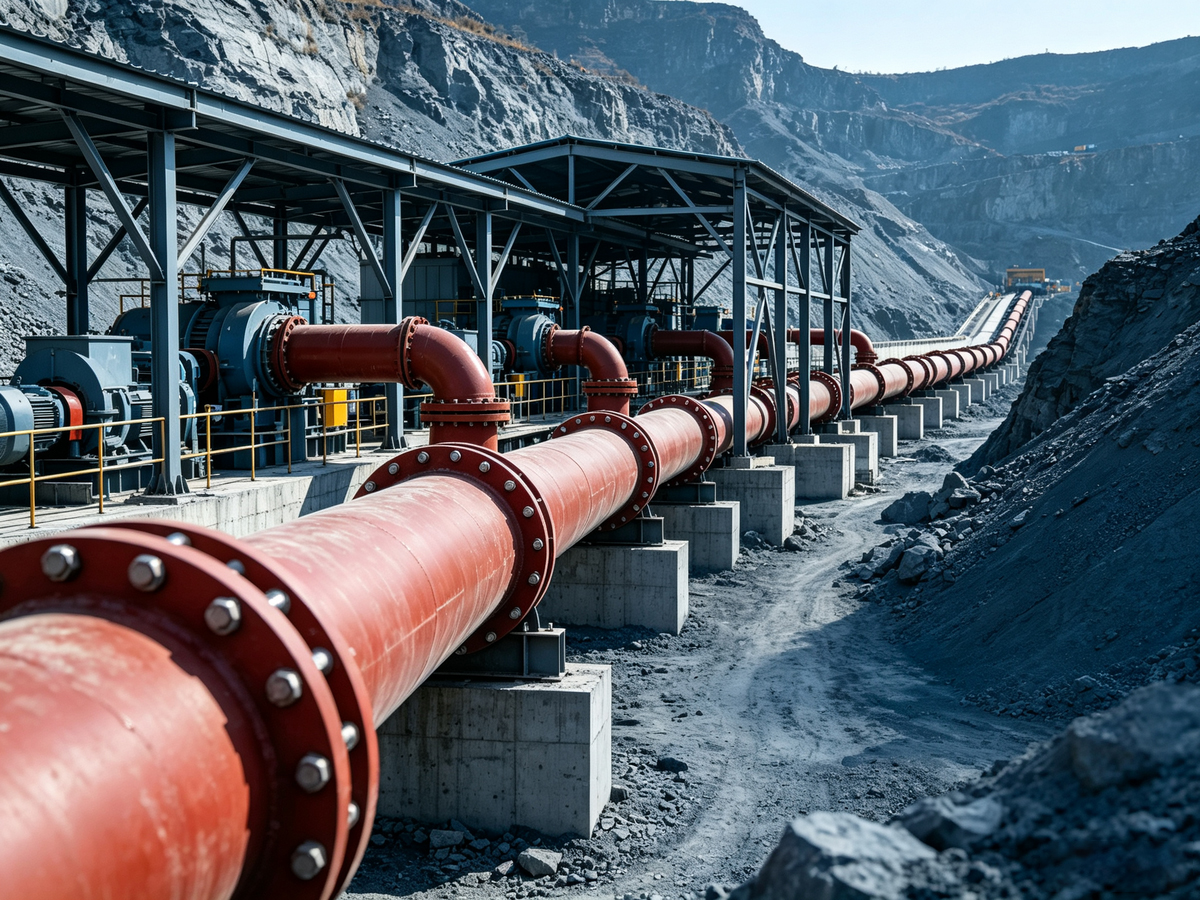
Planning Cast Basalt Linings for Ash and Slag Conveying

Review ash and slag conveying conditions, fitting geometry and connection interfaces before selecting a cast basalt lined pipeline.
Read More

Cast Basalt Tile Shapes and Lining Layout: What to Specify

Choose cast basalt tile geometry by matching the equipment surface, joint arrangement and installation plan to the actual wear location.
Read More

Planning a Cast Basalt Chute Lining Retrofit in a Coal Washing Plant

Plan a coal washing chute retrofit around the wear location, liner dimensions, installation details and the requirements of the operating plant.
Read More

Cast Basalt Pipe and Lined Steel Pipe: Choosing a Configuration

Understand the roles of cast basalt pipe and cast basalt lined steel pipe when planning wear-resistant slurry and tailings conveying systems.
Read More

How to Select Cast Basalt Linings for Industrial Wear Protection

Select cast basalt tiles, pipes or lined steel pipe by reviewing the conveyed material, equipment geometry and installation requirements.
Read More
icon service icon
Related service
icon gear t

Wear Life & Installation Planning

Practical guidance for assessing wear conditions, planning cast basalt lining layouts and preparing installation details for chutes, hoppers and pipelines.

icon gear t

Offer Customized Services

Technical specialists help select cast basalt dimensions and configurations for your chutes, silos and pipelines, with installation guidance.

icon hex t

Foreign Trade Project Support

From inquiry and samples to inspection, export documents and sea shipment, our team supports overseas cast basalt material procurement.

icon Resist Wear & Corrosion, Forge Long-term Stability icon

Cast Basalt Wear-Resistant Products

    Products
    Contacts
    WhatsApp
    Email