

-
 admin
- 23rd October 2026
 admin
Cast Basalt Tile Shapes and Lining Layout: What to Specify
Start with the equipment surface
A lining schedule becomes more useful when it describes where each piece fits. Flat walls, curved hopper sections, tapered transitions and discharge openings create different geometric requirements. Selecting only a nominal plate size can leave difficult gaps or awkward joints at these interfaces.
The reference product literature distinguishes ordinary flat plates from curved and other special-shaped pieces. The practical question is how the shape follows the equipment, rather than whether a longer product list is available. Confirm each required form against the supplier drawing.
Match shape to the task
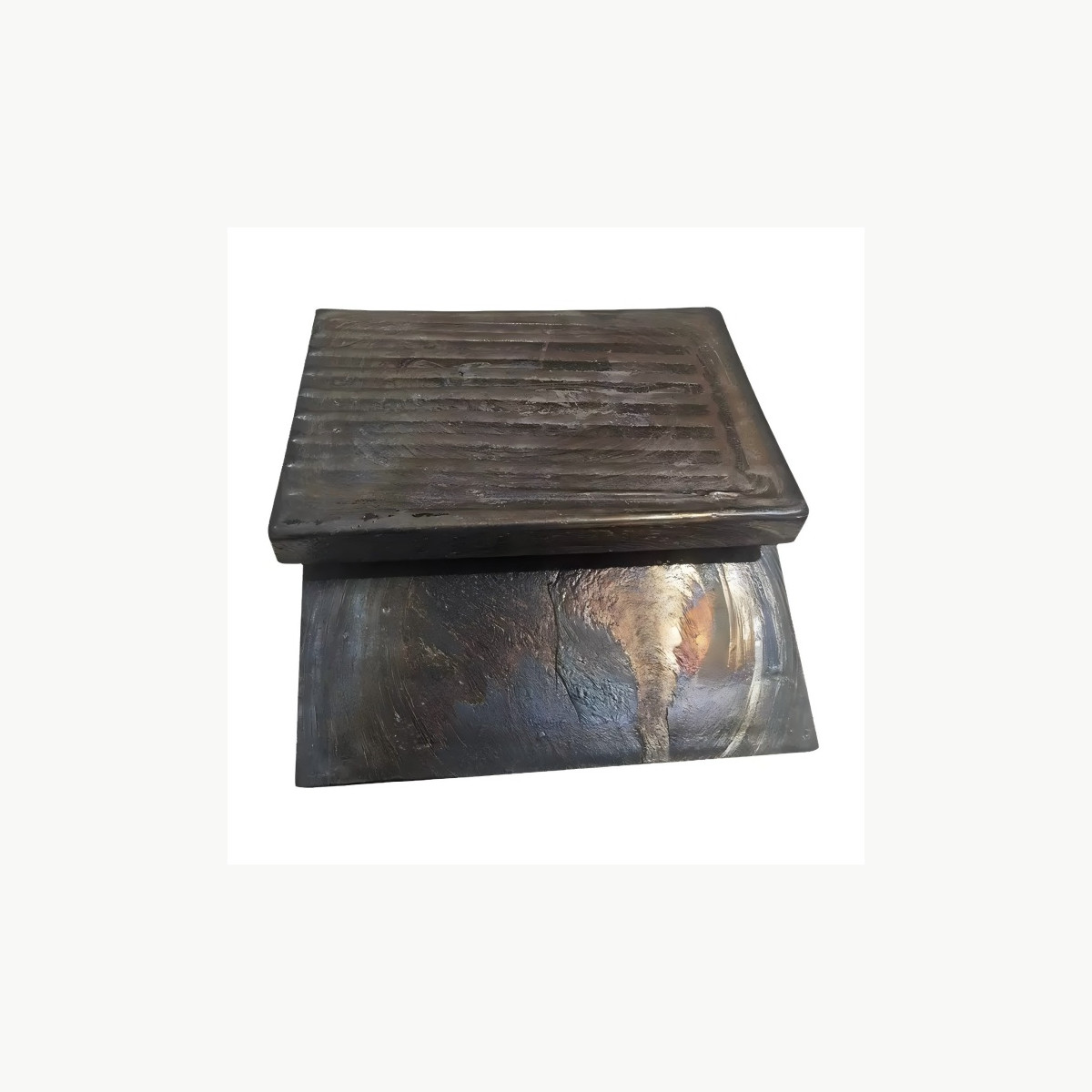
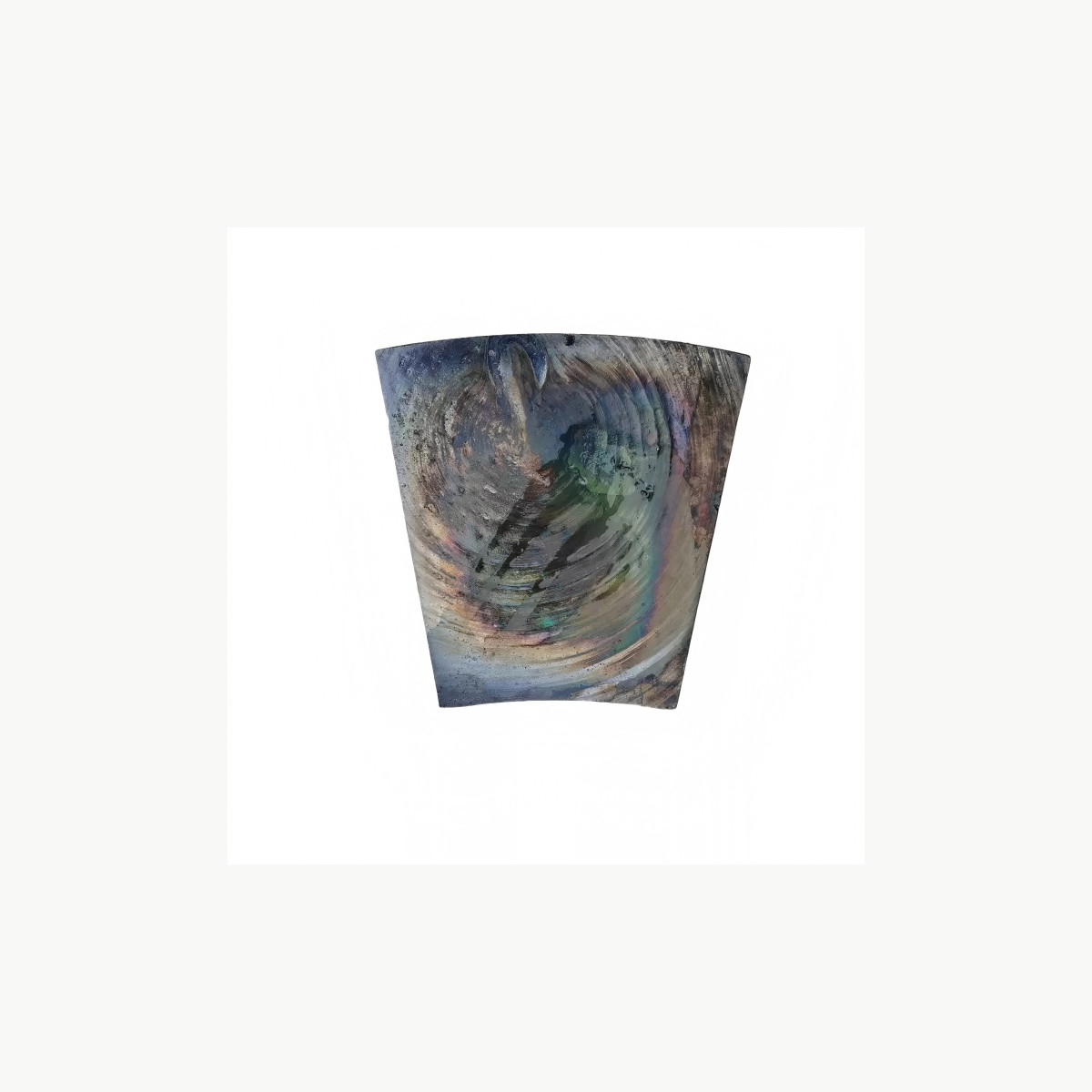
Rectangular plates are a familiar choice for regular areas. Trapezoidal or sector-like pieces may be considered where the surface narrows, and curved pieces can follow a cylindrical or curved section. Hexagonal and perforated forms have specific layout or fixing implications and should be selected for the actual design.
Do not substitute one shape for another solely because its visible area is similar. The joint pattern, thickness, edges and interface with adjoining lining all influence whether the arrangement can be installed as intended.
Prepare a position schedule
Provide overall dimensions and details of corners, openings and transitions. Show the direction of material travel and mark direct impact locations. A numbered layout can help the installer identify pieces and check them against the current drawing revision.
Record quantities by shape and position, and agree any spare-piece requirement with the project team. Photographs help explain existing wear and access, but the final layout needs measured dimensions.
Review limits before ordering
Cast basalt is brittle, so heavy direct impact, equipment movement and thermal changes deserve attention during selection. Chemical duties also require a review of the bedding and joints. A plate with good abrasion resistance cannot compensate for an unsuitable complete lining arrangement.
Ask Chitong to review the geometry and operating data together. Confirm dimensions, installation-system requirements and acceptance criteria in the project documents before the supply schedule is finalized.

 Related



Excellent Service Each and Every Time